


- Center
information
Medical Trust Hospital – Leading Robotic Surgery Hospital in Kerala
Precision Healing with Advanced Technology
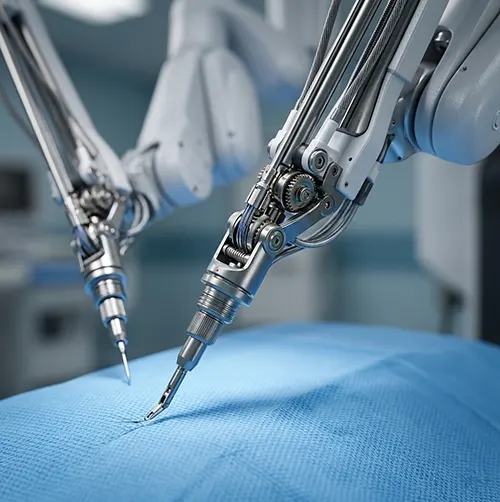
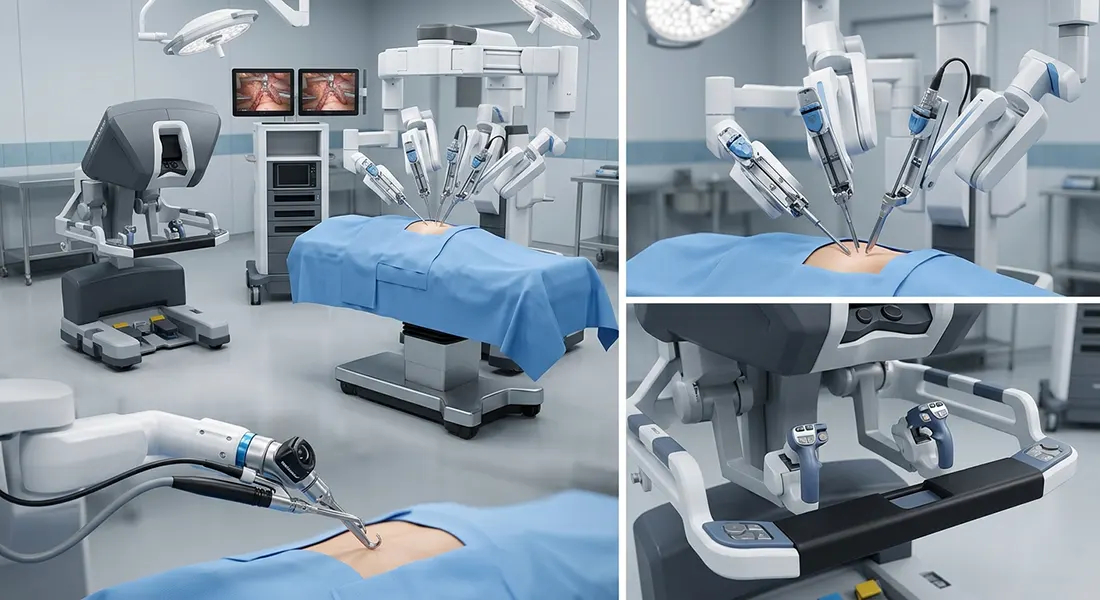
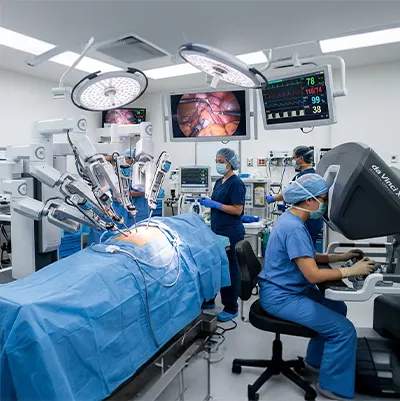
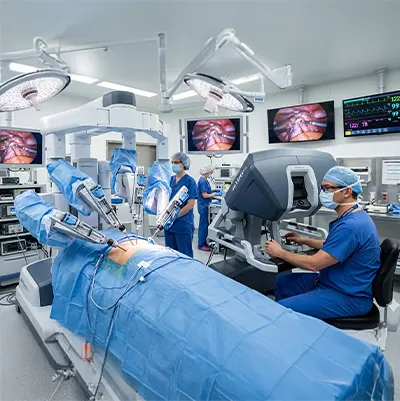
At Medical Trust Hospital, we bring the future of surgery to your doorstep. As a leading Robotic Surgery Hospital in Kerala, we combine the unmatched expertise of our skilled surgeons with advanced robotic systems to deliver safer, highly precise outcomes.
Robotic surgery does not replace the surgeon. Instead, it enhances the doctor's ability to perform complex procedures with superior precision, control, and flexibility, ensuring the best possible care for patients seeking Robotic Surgery in Kochi and across Kerala.
- Why Medical Trust for Robotic Surgery?
- Robotic Surgery Specialities
- Who Can Benefit from Robotic Surgery?
- Why Choose Medical Trust Hospital?
- Ready to Explore Advanced Robotic-Assisted Surgery?
Doctors

Dr. Sachin Joseph
Urology and Genito Urinary Surgery
(Consultant Urologist and Robotic Surgeon)

Dr. Surya Jayaram
Obstetrics & Gynaecology
(Consultant Obstetrician and Gynaecologist, Laparoscopic and Robotic Surgeon)

Dr. Thomas Pudukadan
Urology and Genito Urinary Surgery
(Consultant Urologist and Robotic Surgeon)

Dr. Sunil T
Surgical Gastroenterology
(Consultant – Gastrointestinal & Robotic Surgery)

Dr Viju Kumar Bharathan
Surgical Gastroenterology
(Consultant – Gastrointestinal & Robotic Surgery)
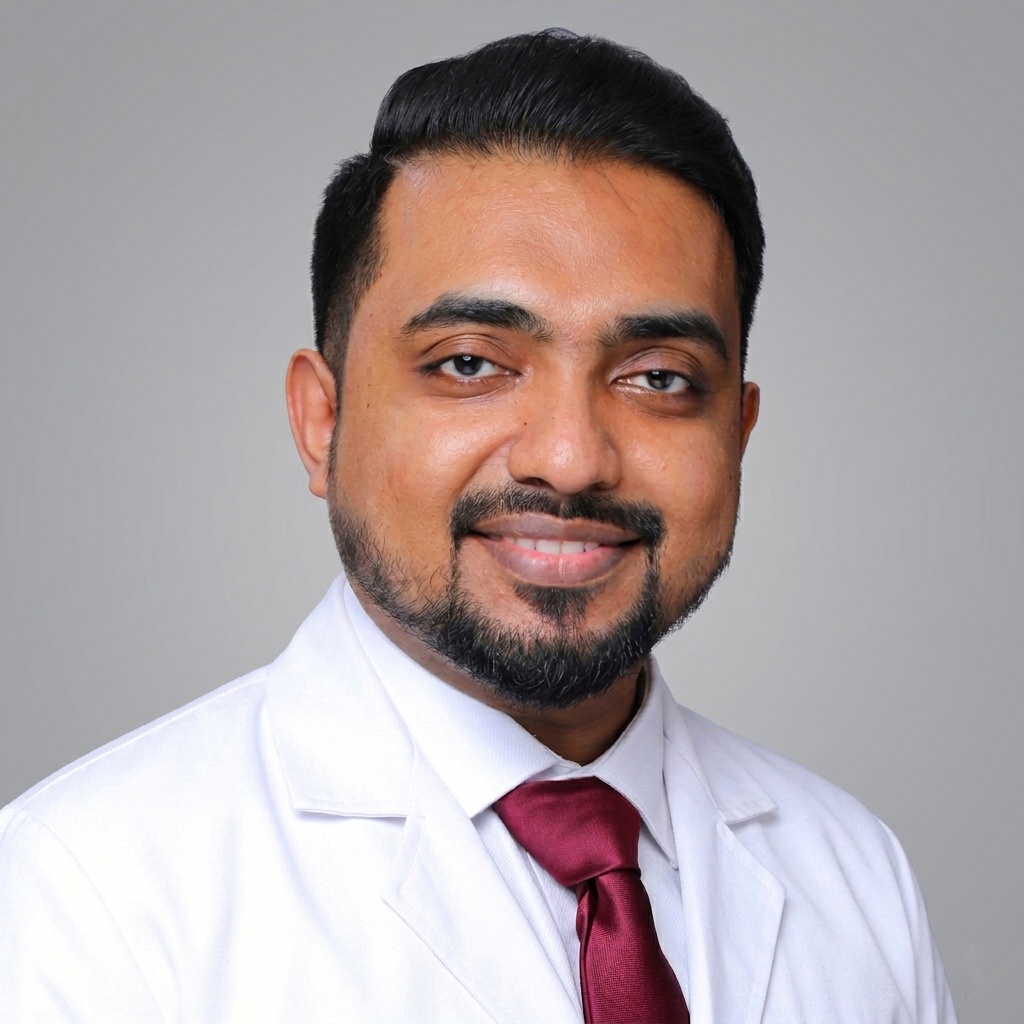
Dr Nigil Abdul Jalal
Urology and Genito Urinary Surgery
(Consultant Urologist and Robotic Surgeon)
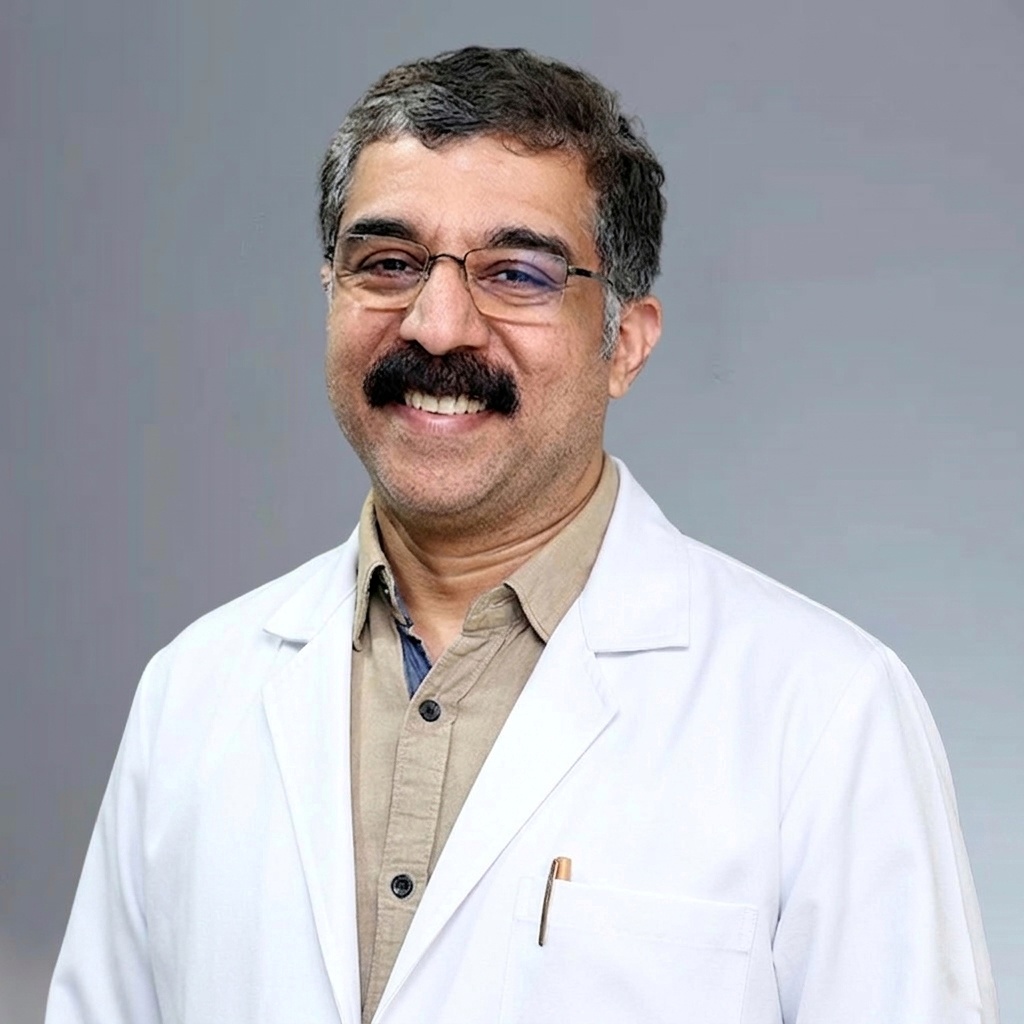
Dr Syam Vikram
Oncology and Hematology
(Senior Consultant - Surgical Oncology and Robotic Surgeon)

Dr. Sanam Basheer
Obstetrics & Gynaecology
(Consultant Obstetrics, Gynaecology and Robotic Surgeon)

Dr. Sruthy Mohan
Obstetrics & Gynaecology
(Consultant Obstetrican and Gynecologist , Laparoscopic and Robotic Surgeon)
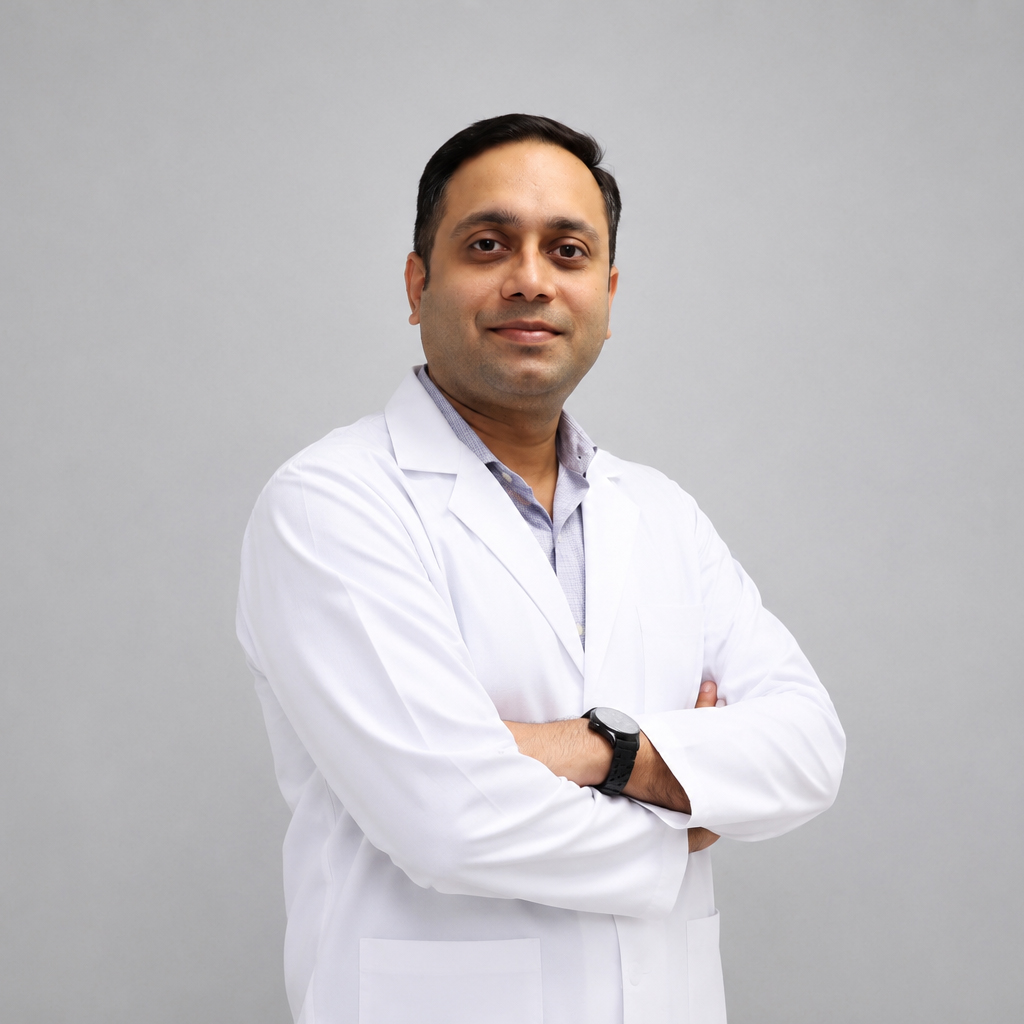
Dr. Amal Antony Paul
Orthopaedics & Sports Medicine
(Associate Consultant Orthopaedic & Robotic Surgeon)
FAQ
It acts as the ultimate assistant. It gives the surgeon a magnified, high-definition 3D view and translates their hand movements into microscopic, ultra-precise actions through tiny incisions.
The surgeon, always. The robot cannot think, choose, or move on its own. It is a highly advanced tool under the absolute, real-time control of the doctor. Learn more about our robotic surgery specialists.
Yes. By eliminating natural human hand tremors and providing a crystal-clear view, it reduces room for error. It is highly safe when guided by our experienced specialists.
It is widely used for complex cancer removals, prostate and kidney issues, fibroids, hysterectomies, hernias, and delicate heart or lung procedures.
Much faster than traditional surgery. To understand the benefits of robotic surgery, note that the incisions are tiny, there is less trauma to the body, less pain, shorter hospital stays, and a quicker return to daily life.
Yes. Smaller incisions mean minimal exposure to the air, less tissue handling, and smaller wounds. This naturally makes your recovery much safer and cleaner.