



Doctors
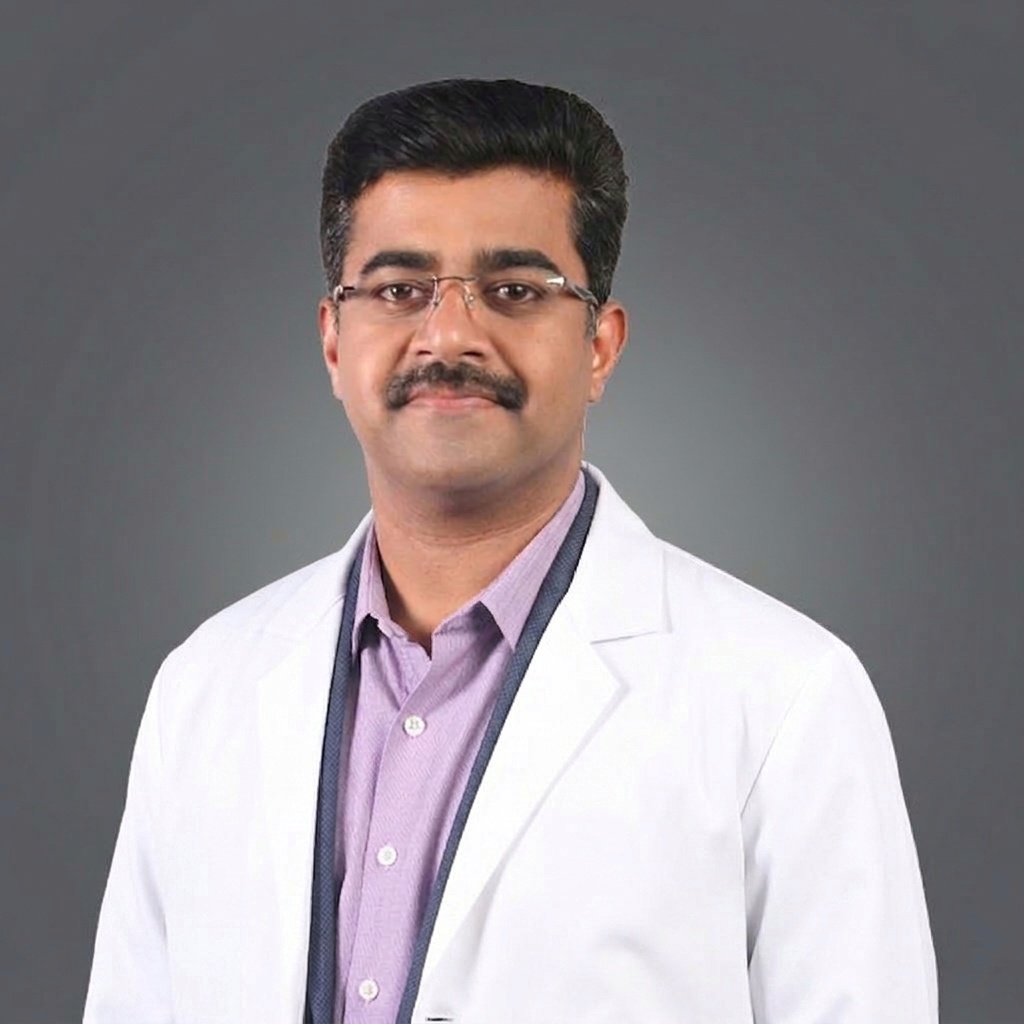
Dr. Varun Rajan
Oncology and Hematology
(Senior Consultant Medical & Haemato Oncologist)

Dr. Surij Salih
Oncology and Hematology
(Senior Consultant - Surgical Oncology)
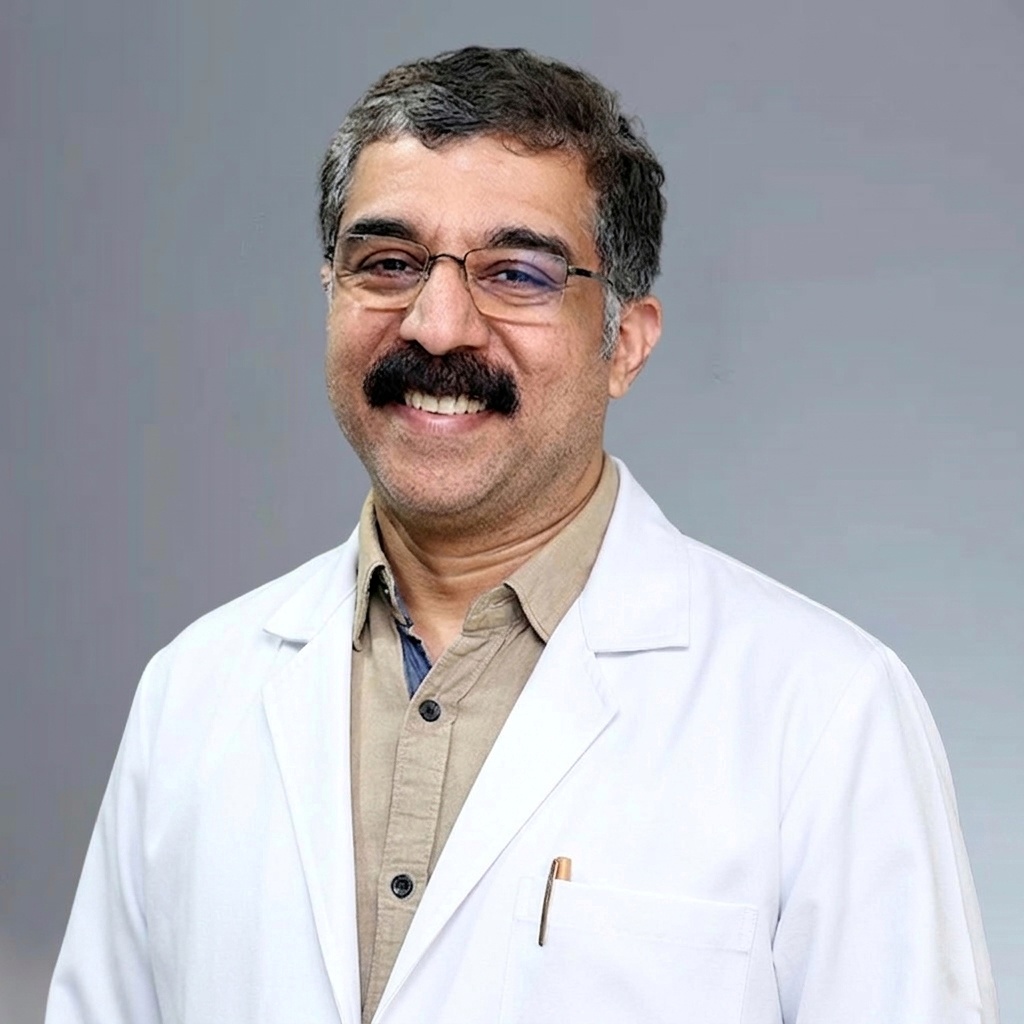
Dr Syam Vikram
Oncology and Hematology
(Senior Consultant - Surgical Oncology and Robotic Surgeon)
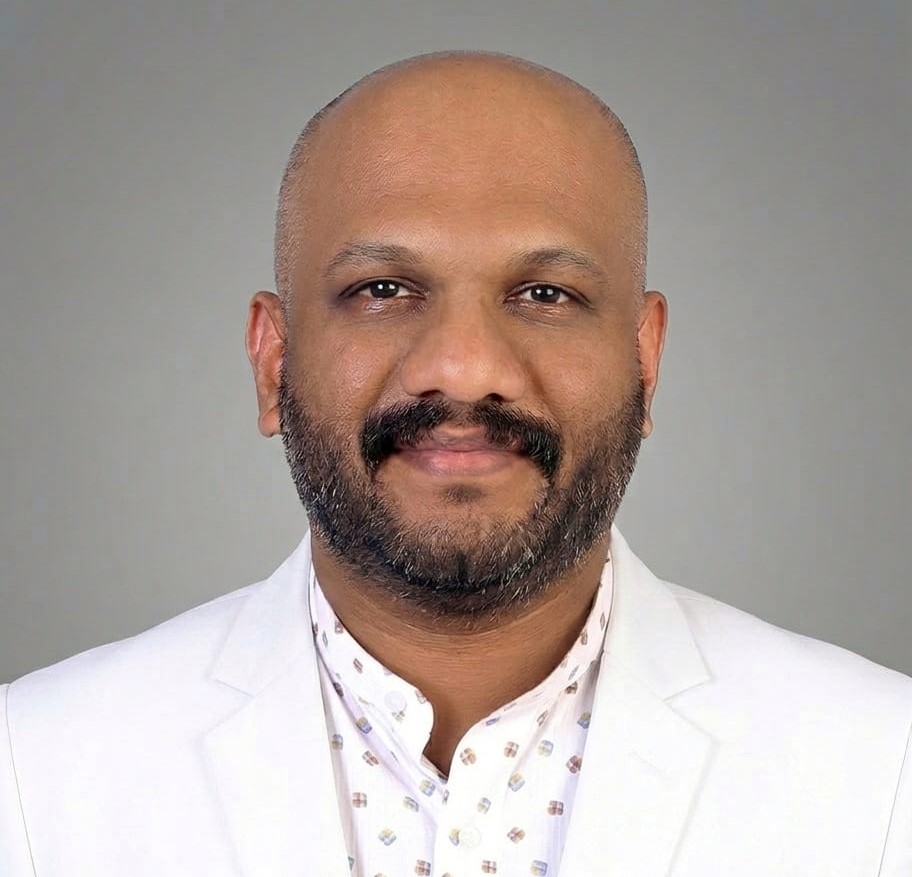
Dr. Rahul Ravind
Oncology and Hematology
(Consultant Medical Oncologist)
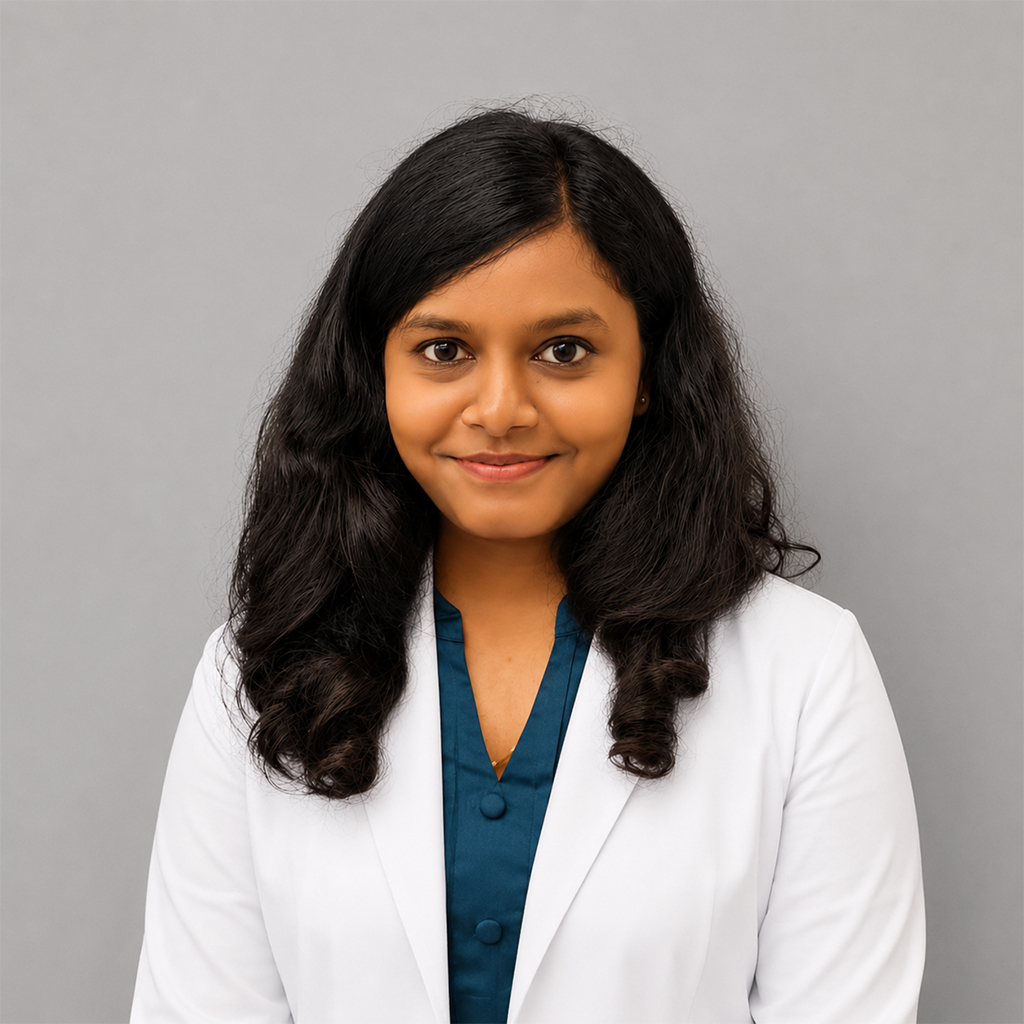
Ms. Raja Venkateswari S
Oncology and Hematology
(Consultant Psycho-Oncologist)
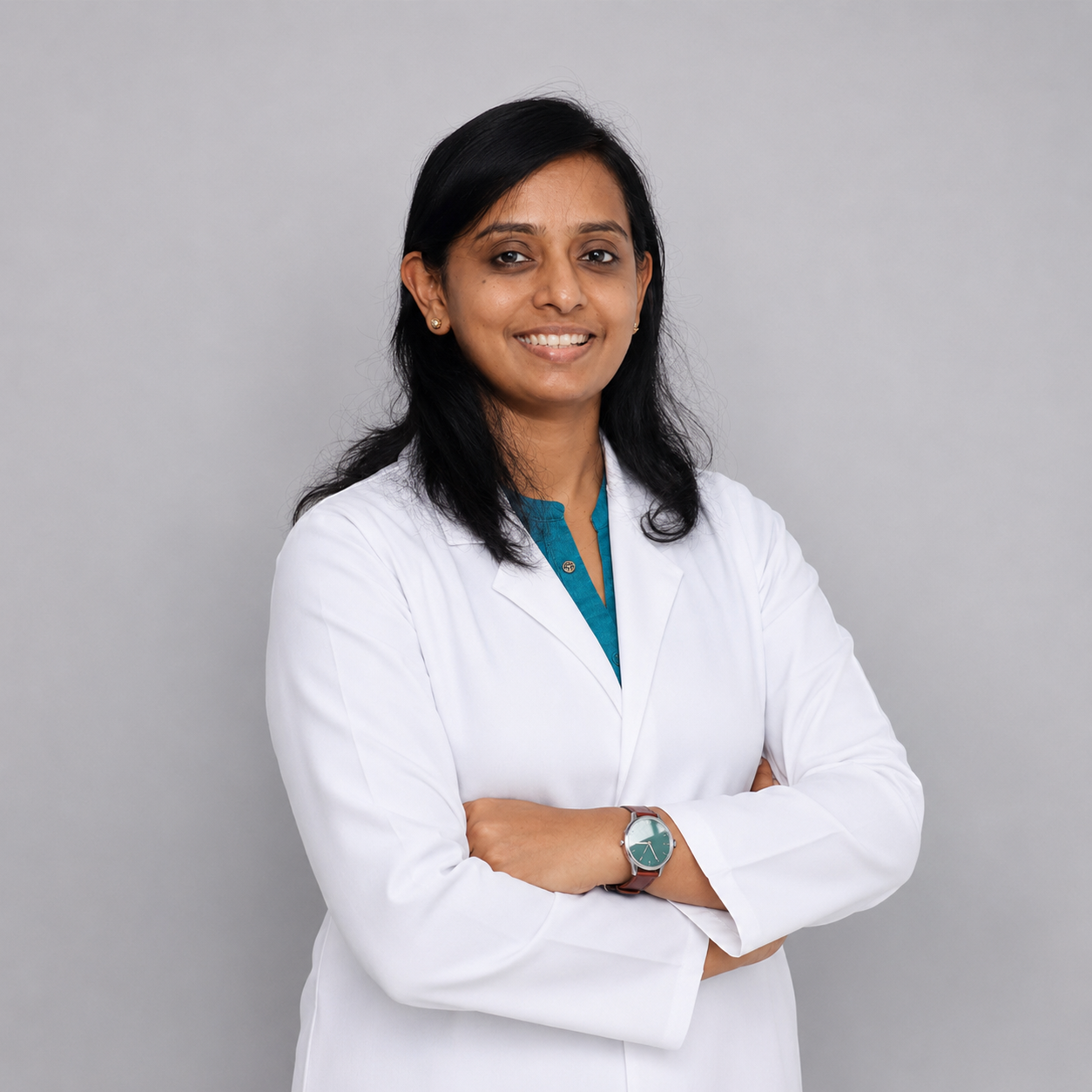
Dr. Minu Luckose
Oncology and Hematology
(Consultant – Clinical Haematology, Hemato-Oncology, Stem Cell Transplantation and Cellular Therapy)
FAQ
The department provides care for both cancers and blood disorders, with oncology and hematology specialists involved in diagnosis and treatment.
Look for experienced specialists, appropriate diagnostic facilities, and comprehensive cancer care. Medical Trust Hospital offers medical and surgical oncology, hematology, chemotherapy, immunotherapy, CAR-T therapy, stem-cell transplantation, and multidisciplinary tumor board care.
Medical oncology uses medicines such as chemotherapy and immunotherapy to treat cancer. Surgical oncology focuses on removing cancer through surgery. Some patients may require both approaches as part of their treatment plan.
If a blood test shows abnormal counts, unexplained anemia, easy bruising, or unusual bleeding, a hematologist can help identify the cause. The department manages both cancerous and non-cancerous blood disorders.
The department treats a wide range of solid-tumor and blood cancers. Treatment depends on the cancer type, stage, diagnostic findings, and individual health needs.
The department manages blood cancers such as leukemia, lymphoma, and myeloma, as well as non-cancerous conditions including anemia and clotting disorders.
Chemotherapy may be used as the main treatment or alongside surgery and other therapies. The decision depends on the cancer type, stage, overall health, and treatment goals.
CAR-T cell therapy modifies a patient's own immune cells in a laboratory to help them target cancer cells. It is mainly used for certain blood cancers and is considered based on individual patient factors.
The specialist reviews your medical history, symptoms, and previous reports. Additional tests may be recommended to understand your condition and plan appropriate care.
Bring previous medical records, test results, scans, biopsy reports, and your current medication list. These can help the specialist understand your medical history and avoid unnecessary repeat testing.
Genetic counseling can help assess inherited cancer risk and explain what genetic findings may mean for you and your family when there is a relevant personal or family history.
You can book an appointment through Medical Trust Hospital's appointment channel or by contacting the hospital directly. Bring your existing medical records and reports to your appointment.